
Talk to us
08045800965
Talk to us
08045800965
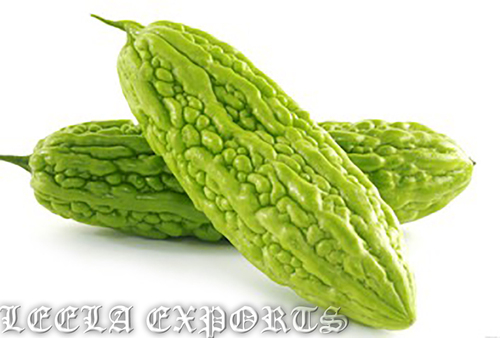
| Bitter Melon |
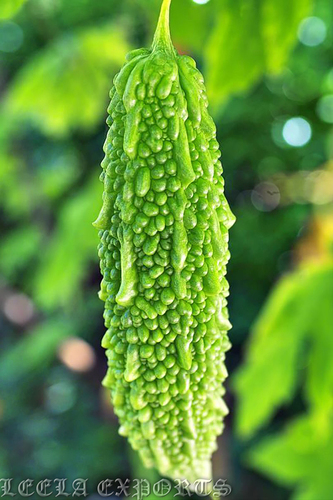
Bitter melon is a climbing vine with small tendrils and delicate, jagged leaves. A member of the squash family, the vine grows in tropical and subtropical regions such as India, China, southeast Asia, Africa, the Caribbean, Hawaii, and parts of south America.
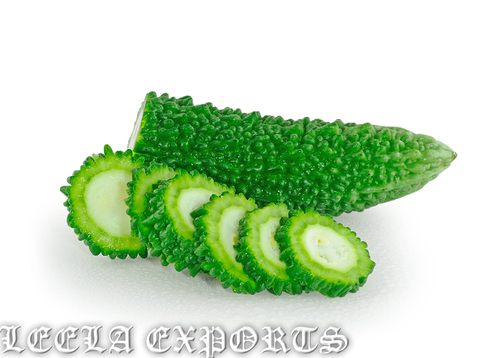
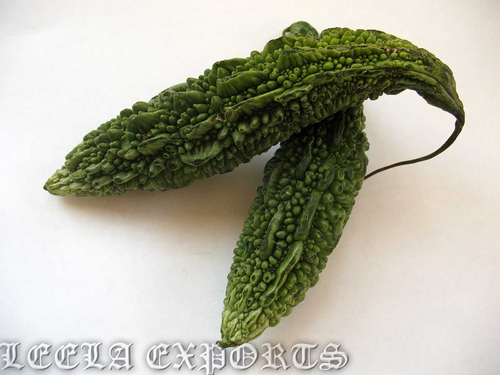
Healthy bitter melon vines can reach lengths of up to 15 feet. Each vine bears tiny, yellow flowers, both male and female. Bitter melon fruits are light green and look almost like warty cucumbers with bumpy, ridged skin, not unlike the skin of gourds. As they mature, bitter melon fruits become orange and split into three pieces which curl upward, exposing reddish-brown or white seeds encased in bright red arils.
As we might expect from the name, all parts of the bitter melon plant are very bitter. In fact, bitter melon fruits are counted among the most bitter of all fruits, though they do become milder as they mature.
Nutrients & applications:
bitter melon's massive popularity is not unfounded! Scientists have found evidence of how bitter melon works to balance blood sugar levels. For instance, bitter melon has been shown to increase insulin sensitivity, promote insulin release, and enhance cells' uptake of glucose. Bitter melon may even improve cell function and act as an immunomodulator. Not only that, bitter melon can help maintain smooth skin and promote normal cholesterol and triglyceride levels.
Many biologically active compounds are contained in bitter melon, including triterpenes, proteins, and steroids. A mixture of steroidal saponins known as charantins, insulin-like peptides, and alkaloids help maintain healthy blood sugar levels. Other bioactive compounds found in bitter melon activate the enzyme ampk, a protein known for regulating metabolism and enabling glucose uptake. The cucurbitanetriterpenoids in bitter melon work to promote glucose tolerance and fat burning.
Bitter melon also contains a group of ribosome-inactivating proteins named alpha- and beta-momorcharin, momordin, and cucurbitacin b, as well as iron, beta carotene, calcium, potassium, b vitamins, vitamin c, phosphorus, and fiber.
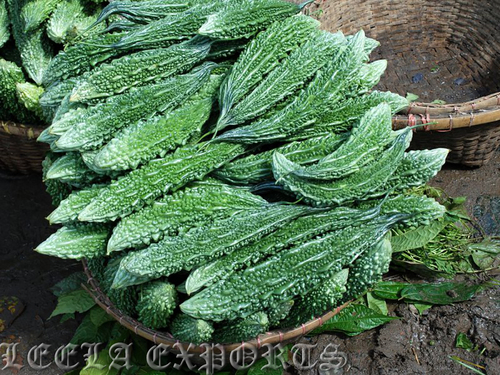
With the assistance of our skilled chefs and food processing experts, we are able to manufacture, supply and export Frozen Karela. Bitter Gourd contains Gurmarin, a polypeptide that helps achieve a positive sugar regulating effect. To retain the nutrition value, Frozen Karela is packed in air-sealed packaging materials and delivered right at clients' doorstep within specified period of time.
Salient Features:




 Send Inquiry

